
Dekalb Corn Seed Guide 2024: An Overview
Dekalb offers a comprehensive 2024 corn seed portfolio, focusing on maximizing yield and profitability for farmers. Explore advanced traits and regional hybrids.
Dekalb stands as a prominent name in the agricultural industry, renowned for its dedication to corn breeding and genetic advancements. For over a century, Dekalb has empowered farmers with high-performing corn hybrids tailored to diverse growing conditions. The 2024 seed guide represents the culmination of extensive research and development, offering innovative solutions for enhanced yield potential, improved stress tolerance, and optimized grain quality.
Dekalb’s commitment extends beyond simply providing seed; it encompasses a holistic approach to agronomy, offering comprehensive support and resources to help growers maximize their return on investment. This guide serves as a valuable tool for understanding the breadth of Dekalb’s offerings, from maturity groups and trait technologies to regional recommendations and hybrid selection. Farmers can confidently navigate the complexities of modern corn production with Dekalb as a trusted partner.
Dekalb Seed Technologies & Innovations
Dekalb consistently invests in cutting-edge technologies to deliver superior corn performance. Key innovations include advanced breeding techniques, leveraging genomic selection for faster genetic gains and improved hybrid vigor. Dekalb’s proprietary germplasm provides a strong foundation for developing hybrids with exceptional yield potential and agronomic characteristics.
Furthermore, Dekalb integrates industry-leading trait technologies, such as Roundup Ready and SmartStax, offering robust weed control and insect protection. These traits minimize yield loss and simplify crop management. Dekalb also focuses on enhancing stress tolerance, developing hybrids that thrive under challenging environmental conditions like drought and heat. Data-driven insights and precision agriculture tools further optimize performance, ensuring growers achieve maximum profitability with every bag of Dekalb seed in 2024.
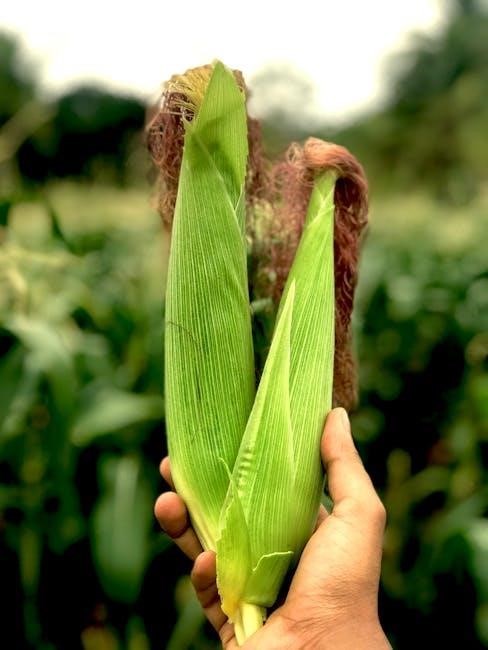
Understanding Dekalb Corn Seed Offerings for 2024
Dekalb’s 2024 selection features diverse maturity groups and trait packages, catering to varied growing conditions and farm needs for optimal success.
Dekalb Corn Maturity Groups (2024)
Dekalb categorizes its corn seed offerings into maturity groups, crucial for aligning with regional growing seasons and maximizing yield potential. These groups are broadly defined by the number of days required from planting to physiological maturity. Understanding these distinctions is paramount for farmers seeking optimal harvest timing and grain quality.
Early Maturity Groups (typically 80-95 days) are suited for northern regions with shorter growing seasons, allowing for harvest before the first frosts. Mid-Maturity Groups (96-105 days) represent a versatile option for the central Corn Belt, balancing yield and maturity. Late Maturity Groups (106+ days) are designed for southern areas with longer growing periods, capitalizing on extended warmth for higher yields.
Within each group, Dekalb provides a range of hybrids with varying characteristics. Farmers should consider their specific location, soil type, and desired harvest date when selecting a maturity group. Consulting with a local Dekalb agronomist is highly recommended to determine the best fit for their farm.
Dekalb Trait Technologies: Roundup Ready, SmartStax
Dekalb corn seed incorporates advanced trait technologies designed to enhance crop protection and maximize yield potential. Key among these are Roundup Ready and SmartStax technologies, offering farmers effective solutions for weed and insect control.
Roundup Ready corn allows for post-emergence application of glyphosate herbicides, providing broad-spectrum weed control without harming the crop. This simplifies weed management and reduces the need for multiple herbicide applications. SmartStax technology takes pest control a step further, combining multiple Bt genes for protection against a wide range of corn rootworm and above-ground insect pests.
SmartStax offers stacked traits, delivering superior insect control and potentially reducing the risk of resistance development. Dekalb continually invests in trait development, ensuring farmers have access to cutting-edge technologies for sustainable and profitable corn production. Choosing the right trait package depends on specific pest and weed pressures in a given field.
Dekalb Seed Varieties for High Yield Potential
Dekalb consistently delivers high-yielding corn varieties, developed through rigorous research and breeding programs. Their portfolio focuses on maximizing grain fill and kernel development, resulting in substantial harvests. Key to this success is a commitment to genetic advancement and adaptation to diverse growing conditions.
Varieties are categorized by maturity group and tailored to specific regional climates. Dekalb offers hybrids with exceptional yield potential in both favorable and challenging environments. These hybrids demonstrate strong agronomic characteristics, including robust stalk strength, excellent root systems, and efficient nutrient uptake.
Farmers seeking top performance should consider Dekalb’s leading varieties, often showcasing superior performance in official trials. Careful selection, based on local conditions and management practices, is crucial for realizing the full yield potential of these advanced genetics. Dekalb provides detailed data and support to aid in informed decision-making.
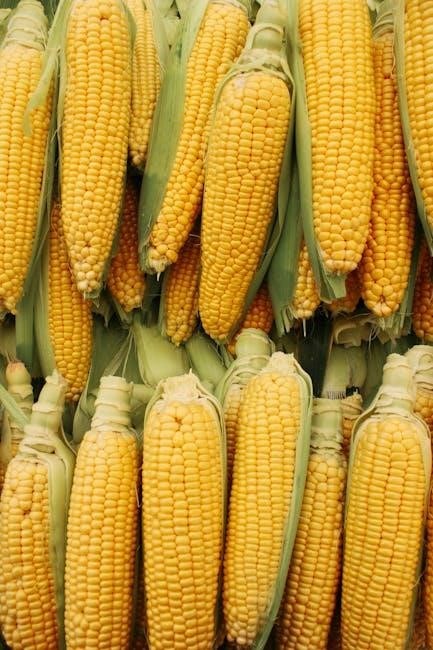
Regional Recommendations for Dekalb Corn (2024)
Dekalb tailors corn seed recommendations by region, considering climate, growing season length, and prevalent pest pressures for optimal performance and yield.
Dekalb Corn for Northern Climates
Dekalb recognizes the unique challenges presented by northern growing conditions – shorter growing seasons, cooler temperatures, and potential for early frosts. Therefore, their offerings for these regions prioritize maturity, emphasizing hybrids that reach physiological maturity quickly without sacrificing yield potential.
Key characteristics of Dekalb corn suited for northern climates include excellent germination in cooler soils, robust early-season vigor to withstand temperature fluctuations, and strong stalk strength to resist lodging under potentially harsh weather conditions. Farmers should focus on maturity groups 80-95 day CRM, depending on their specific latitude and first frost date.
Specifically, Dekalb hybrids bred for these areas often exhibit enhanced heat unit utilization, allowing them to maximize grain fill within a compressed timeframe. Consider varieties with proven cold tolerance and disease resistance packages tailored to common northern pathogens. Proper plant population adjustments are also crucial to optimize performance in these environments.
Dekalb Corn for Central Plains Regions
Dekalb corn varieties for the Central Plains are engineered to thrive in a diverse environment characterized by variable rainfall, moderate temperatures, and fertile soils. These hybrids emphasize yield stability and stress tolerance, crucial for navigating the region’s inherent risks. Farmers benefit from options optimized for both irrigated and dryland production.
Focus should be placed on maturity groups ranging from 95 to 110 CRM, aligning with the region’s growing season length. Dekalb prioritizes hybrids demonstrating strong drought tolerance, efficient water use, and resistance to common diseases like Gray Leaf Spot and Northern Corn Leaf Blight, prevalent in the Central Plains.
Furthermore, Dekalb offers hybrids with excellent grain quality and test weight, maximizing profitability at harvest. Consider varieties with robust root systems for improved nutrient uptake and standability, particularly important during late-season storms. Careful consideration of plant population and nitrogen management is key to unlocking yield potential.
Dekalb Corn for Southern Growing Areas
Dekalb corn hybrids tailored for Southern growing areas are bred to withstand high temperatures, humidity, and potential pest pressures. These varieties prioritize heat tolerance, rapid maturity, and robust disease resistance, particularly against Southern Rust and Smut. Selecting the right hybrid is crucial for maximizing yield potential in this challenging environment.
Farmers in the South should focus on maturity groups ranging from 110 to 130 CRM, accommodating the longer growing season. Dekalb emphasizes hybrids with excellent seedling vigor, enabling quick establishment and competitive advantage against weeds. Efficient water use is also paramount, with options available for both irrigated and rain-fed systems.
Consider hybrids demonstrating strong stalk strength to resist lodging during late-season tropical storms. Prioritize varieties with superior grain fill under heat stress, ensuring optimal kernel development and test weight. Proper nitrogen management and timely pest control are essential for success.
Key Dekalb Corn Hybrids to Consider (2024)
Dekalb’s 2024 lineup features top performers for grain, silage, and stress tolerance. Explore hybrids designed for diverse conditions and yield maximization potential.
Top Dekalb Hybrids for Grain Yield
Dekalb consistently delivers high-yielding corn hybrids, and 2024 is no exception. For producers prioritizing maximum grain output, several hybrids stand out. DKS 25-70RIB often demonstrates exceptional performance across a broad range of environments, showcasing strong agronomics and yield stability. Another strong contender is DKS 26-78RIB, known for its impressive yield potential in high-yield environments, particularly with intensive management practices.
DKS 32-29RIB is a valuable option for areas seeking robust performance and disease resistance. Farmers should also consider DKS 33-68RIB, which frequently exhibits top-tier yields and excellent grain quality. These hybrids benefit from Dekalb’s advanced genetics and trait technologies, including Roundup Ready and SmartStax, providing effective weed control and insect protection. Careful consideration of maturity group and regional adaptation is crucial for optimizing yield potential. Local Dekalb representatives can provide tailored recommendations based on specific farm conditions and yield goals.
Dekalb Hybrids for Silage Production
Dekalb offers specialized corn hybrids engineered for optimal silage production, focusing on high tonnage, excellent digestibility, and robust standability. DKS 31-88RIB consistently demonstrates superior silage yields and quality, making it a popular choice for dairy and livestock operations. For producers prioritizing starch content, DKS 35-25RIB is a strong performer, delivering high energy values for enhanced animal performance.
DKS 30-05RIB is valued for its excellent fermentation characteristics and consistent quality, even under challenging harvest conditions. DKS 36-14RIB provides a balance of tonnage and quality, suitable for a wide range of silage systems. These hybrids are often selected for their strong root systems and resistance to lodging, ensuring efficient harvest and minimizing field losses. Utilizing Dekalb’s trait technologies, such as Roundup Ready and SmartStax, aids in maximizing forage quality and reducing input costs. Consult with local Dekalb agronomists to determine the best hybrid for your specific silage needs and regional climate.
Dekalb Hybrids with Drought Tolerance
Dekalb recognizes the increasing need for drought-tolerant corn hybrids, particularly in regions prone to limited rainfall. Hybrids like DKS 47-08RIB and DKS 52-78RIB are specifically bred to withstand moisture stress, maintaining yield potential even under dry conditions. These hybrids exhibit enhanced root development, allowing them to access deeper soil moisture reserves.
Dekalb’s DroughtGard® trait further enhances drought tolerance by improving plant water use efficiency. DKS 55-22RIB, featuring DroughtGard®, demonstrates exceptional performance in water-limited environments, offering stability and yield protection. These hybrids also often display improved stalk integrity, reducing the risk of lodging during late-season stress. Selecting a drought-tolerant hybrid is crucial for mitigating risk and maximizing profitability in areas with unpredictable rainfall patterns. Local Dekalb representatives can provide tailored recommendations based on regional drought risk and specific farm conditions, ensuring optimal performance and yield stability.
Planting & Management Best Practices
Dekalb recommends precise planting depths and populations for optimal emergence and stand establishment. Proper fertilization and integrated pest management are crucial for success.
Optimal Planting Depth & Population
Dekalb emphasizes achieving precise seed placement for uniform emergence and robust early-season growth. Generally, a planting depth of 1.5 to 2 inches is recommended, adjusting based on soil moisture and texture. In drier conditions, slightly deeper planting may be beneficial to access consistent moisture. Conversely, in heavy, poorly drained soils, shallower planting can expedite emergence.
Population recommendations vary significantly depending on hybrid maturity, soil productivity, and anticipated growing conditions. Dekalb agronomists advise tailoring plant populations to maximize yield potential within each field. Lower populations are often favored in drier areas or with limited nitrogen availability, while higher populations can be supported in high-yielding environments with adequate resources. Utilizing variable rate planting technology, guided by soil maps and yield data, allows for optimized seed drop based on localized field conditions. Careful consideration of these factors ensures a strong plant stand and maximizes the crop’s ability to thrive throughout the growing season.
Fertilization Recommendations for Dekalb Corn
Dekalb corn requires a balanced nutrient supply for optimal growth and yield. Nitrogen is crucial, with rates varying based on soil organic matter, previous crop, and yield goals – typically ranging from 150-250 lbs/acre. Phosphorous and potassium levels should be determined through soil testing, aiming for adequate levels to support plant development. Dekalb recommends a starter fertilizer application, placing nutrients near the seed for early uptake, particularly in cooler soils.
Micronutrients, such as zinc and boron, are also essential, and deficiencies should be addressed based on soil and tissue analysis. Split nitrogen applications – applying some at planting and the remainder sidedress – can improve nutrient use efficiency and minimize losses. Utilizing precision fertilization techniques, such as variable rate application based on soil maps and plant needs, further optimizes nutrient management. Regular monitoring of plant tissue throughout the growing season helps identify and correct any nutrient imbalances, ensuring healthy growth and maximizing yield potential.
Pest & Disease Management with Dekalb Seed
Dekalb corn hybrids are engineered with advanced trait technologies, like SmartStax, offering robust protection against key insect pests, including corn rootworm, corn earworm, and European corn borer. These traits reduce the need for insecticide applications, promoting sustainable practices. However, integrated pest management (IPM) remains crucial. Regular scouting for pests and diseases is essential for early detection and timely intervention.
Disease management focuses on preventative measures and selecting hybrids with strong disease resistance. Common corn diseases include gray leaf spot, northern corn leaf blight, and Goss’s wilt. Dekalb provides resources on disease identification and fungicide application guidelines. Implementing crop rotation, utilizing disease-free seed, and managing residue can minimize disease pressure. Monitoring weather conditions and utilizing predictive models aids in forecasting disease outbreaks, allowing for proactive management strategies and maximizing yield potential.
Resources & Further Information
Dekalb’s website provides a dealer locator, agronomic support, and detailed product information. Connect with local agronomists for personalized guidance and maximize your 2024 yield.
Dekalb Website & Dealer Locator
Dekalb’s official website, www.dekalb.com, serves as a central hub for all information related to their 2024 corn seed offerings. Here, growers can access detailed product information, including maturity data, trait technologies, and yield potential for various hybrids. The site features interactive tools, such as a hybrid selector, to help farmers identify the best options for their specific growing conditions and objectives.
A particularly valuable resource is the Dekalb dealer locator. This tool allows farmers to quickly and easily find authorized Dekalb seed dealers in their geographic area; Local dealers provide personalized support, including seed recommendations, agronomic advice, and assistance with planting and management practices. They can also offer insights into regional performance data and local challenges. Finding a trusted local dealer ensures access to expert guidance throughout the growing season. The website also provides contact information for regional agronomists and support teams.
Dekalb Agronomic Support & Services
Dekalb distinguishes itself through robust agronomic support, extending beyond simply selling seed. Their team of experienced agronomists provides comprehensive assistance to growers, focusing on maximizing yield and return on investment with their 2024 corn seed. This support encompasses field scouting, soil testing interpretation, and customized fertility recommendations tailored to specific farm conditions.
Dekalb offers advanced data-driven services, including the Dekalb Yield Estimator, which utilizes predictive modeling to forecast potential yields based on hybrid selection, planting date, and environmental factors. Furthermore, they provide access to digital farming tools and platforms for precision agriculture, enabling optimized planting, nutrient management, and pest control. Growers benefit from ongoing training and educational resources, including webinars and field days, to stay abreast of the latest advancements in corn production. This commitment to agronomic excellence ensures farmers have the knowledge and tools needed for success.