Active Shooter at Manual High School: A Comprehensive Overview
The tragic event at Manual High School unfolded rapidly‚ leaving a community reeling. This overview details the critical moments‚ responses‚ and lasting effects of the crisis.
Initial Incident Report & Timeline
The first reports surfaced at 9:47 AM on October 26th‚ 2023‚ indicating multiple gunshots heard near the west wing of Manual High School. Initial 911 calls described a lone male suspect‚ later identified as a former student‚ armed with a semi-automatic rifle.
9:50 AM: School resource officers (SROs) were immediately dispatched to the location‚ initiating a lockdown procedure across the entire campus. Students and staff were instructed to shelter in place.
9:55 AM – 10:05 AM: The suspect was reportedly seen moving through the hallways‚ firing sporadically. Confirmed reports indicated shots fired in the library and cafeteria areas.
10:08 AM: The first SRO engaged the suspect in a brief confrontation near the gymnasium.
10:12 AM: Local police arrived and established a perimeter. SWAT teams were deployed.
10:25 AM: The suspect was apprehended by law enforcement after a tense standoff. The school remained on lockdown for approximately three hours while a thorough search was conducted.
First Responder Actions & Challenges
Initial response from SROs focused on immediate threat neutralization and student safety. Officers swiftly moved towards the gunfire‚ attempting to locate and engage the shooter while simultaneously coordinating the school-wide lockdown.
Challenges included navigating the large campus layout and limited communication due to cell service disruptions caused by the influx of calls. Determining the shooter’s exact location proved difficult initially‚ hindering rapid containment.
Upon arrival‚ local police established a unified command structure‚ coordinating efforts with SROs‚ fire departments‚ and emergency medical services.
A significant challenge was triaging and evacuating injured students and staff amidst ongoing uncertainty about the shooter’s potential for continued violence. Establishing secure evacuation routes and casualty collection points required rapid decision-making.
Interagency cooperation was crucial‚ but communication breakdowns and differing protocols presented obstacles that responders worked to overcome in real-time.
The Immediate Aftermath: Trauma & Support
The scene following the shooting was one of immense distress and chaos. Immediate focus shifted to providing comfort‚ medical attention‚ and psychological first aid to those affected.
Student & Staff Accounts: Firsthand Experiences
The hallways of Manual High School‚ usually filled with laughter and learning‚ became corridors of fear on that day. Students recounted moments of sheer terror – barricading doors‚ hiding in classrooms‚ and the agonizing wait for help to arrive. Many described the sounds of gunfire as echoing nightmares‚ forever etched in their memories.
Staff members bravely attempted to protect students‚ some sustaining injuries in the process. Teachers spoke of their instincts kicking in‚ prioritizing the safety of their classes above all else. One teacher recalled calmly guiding students through lockdown procedures while internally battling her own fear. Counselors shared the immediate need to provide a safe space for students to process the trauma‚ acknowledging the diverse range of emotional responses – shock‚ disbelief‚ and overwhelming grief.
These firsthand accounts paint a harrowing picture of the event‚ highlighting the courage and resilience displayed amidst unimaginable circumstances. They serve as a crucial component in understanding the full impact of the shooting.
Emergency Medical Response & Casualty Details
The immediate aftermath of the shooting triggered a massive emergency medical response. First responders‚ including paramedics‚ EMTs‚ and medical personnel from surrounding hospitals‚ swiftly arrived at Manual High School. Establishing a triage area outside the building was paramount‚ allowing for rapid assessment and prioritization of victims.
Sadly‚ the incident resulted in three fatalities: two students and one school security guard. An additional seven students and three staff members sustained injuries‚ ranging from gunshot wounds to injuries sustained during the chaotic evacuation. Victims were transported to four local hospitals for treatment.
The speed and coordination of the medical response were critical in stabilizing patients and providing life-saving care. However‚ the sheer number of casualties quickly overwhelmed initial resources‚ necessitating mutual aid from neighboring counties; Detailed records of all injuries and treatments were meticulously documented for investigative purposes.
Long-Term Recovery: Addressing the Psychological Impact
The psychological scars from the shooting run deep. Healing requires sustained support‚ trauma-informed care‚ and acknowledging the enduring emotional toll on everyone affected.
Mental Health Services Available to Students & Families
Following the incident‚ a multi-faceted mental health support system was immediately established. The school district‚ in partnership with local hospitals and mental health organizations‚ offered free and confidential counseling services to all students‚ staff‚ and their families.
Dedicated crisis response teams were deployed to the school‚ providing on-site support in the days and weeks following the shooting. These teams included licensed therapists‚ psychologists‚ and social workers specializing in trauma.
Furthermore‚ a 24/7 hotline was created to offer immediate support and connect individuals with appropriate resources. Group therapy sessions were also organized‚ fostering a sense of community and shared healing.
Long-term individual therapy options were made available‚ and the district worked to reduce barriers to access‚ including transportation assistance and flexible scheduling. Parent workshops focused on recognizing signs of trauma in children and adolescents‚ and promoting healthy coping mechanisms were also provided.
Community Grief & Memorialization Efforts
The city of [City Name] was profoundly impacted by the tragedy at Manual High School‚ resulting in widespread grief and a collective desire to honor the victims. Spontaneous memorials sprang up outside the school‚ adorned with flowers‚ candles‚ and heartfelt messages.
A community-wide vigil was held at [Location]‚ drawing thousands of attendees who sought solace and unity. Local faith leaders offered prayers and words of comfort‚ while students and family members shared poignant tributes.
Fundraising initiatives were launched to support the families of those lost and to establish a permanent memorial fund. Discussions began regarding a fitting tribute at the school‚ potentially a garden or a scholarship program.
Local artists contributed their talents‚ creating murals and artwork dedicated to remembrance and healing. The outpouring of support from neighboring communities and across the nation demonstrated a shared sense of loss and a commitment to preventing future tragedies.
Security Protocols: Before & During the Event
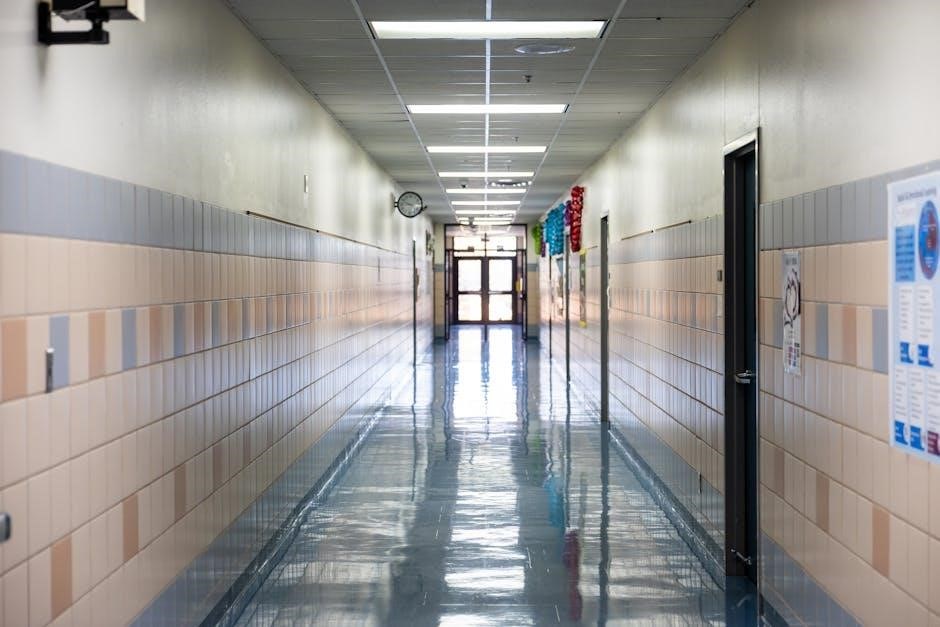
Manual High School’s pre-existing security measures were immediately tested. Response protocols‚ including lockdowns and communication systems‚ were activated during the unfolding crisis.
Review of Existing School Safety Measures
Prior to the incident‚ Manual High School employed a layered security approach. This included controlled access points‚ visitor check-in procedures‚ and a security officer presence during peak hours. Regular safety drills‚ encompassing both lockdown and evacuation scenarios‚ were conducted‚ though participation rates varied among staff and students;
The school’s emergency communication system relied on a combination of intercom announcements and email alerts. However‚ the effectiveness of these systems during a rapidly evolving situation was questioned; A recent facilities assessment identified vulnerabilities in door locking mechanisms and window security in several older buildings on campus. Furthermore‚ the school’s active shooter response plan‚ while present‚ hadn’t been comprehensively updated in over three years‚ and staff training on the ALICE protocol was inconsistent. This review aims to pinpoint gaps and areas for immediate improvement to bolster student and staff safety.
Failures & Successes in Security Response
The initial security response revealed both critical shortcomings and commendable actions. A significant failure was the delayed lockdown notification to all classrooms; some students and staff were unaware of the active threat for several crucial minutes. The single security officer on duty was quickly overwhelmed‚ highlighting the need for increased personnel.
However‚ several teachers successfully implemented lockdown procedures‚ barricading doors and sheltering students. The rapid response of local law enforcement was a success‚ with officers arriving on scene within minutes of the first reports. Effective triage by the school nurse and initial aid provided by staff likely mitigated the severity of some injuries. Communication breakdowns between first responders and school administration hampered situational awareness initially. A post-incident analysis will focus on streamlining communication protocols and addressing the resource imbalance during a crisis.
Investigative Findings & Legal Proceedings
The investigation revealed the shooter acted alone‚ possessing legally obtained firearms. Legal proceedings involve potential criminal charges and civil lawsuits related to the incident.
Police Investigation & Evidence Analysis
The initial police response focused on securing the school and identifying the shooter. A comprehensive investigation followed‚ meticulously collecting evidence from the scene‚ including the shooter’s weapons‚ spent casings‚ and any potential notes or digital communications.
Evidence analysis involved forensic examination of firearms‚ ballistics testing to match bullets to weapons‚ and a thorough review of surveillance footage from school cameras and nearby businesses. Investigators also conducted extensive interviews with students‚ staff‚ and witnesses to reconstruct the timeline of events and gather crucial information about the shooter’s actions and motivations.
Digital forensics played a key role‚ examining the shooter’s computer‚ phone‚ and social media activity for clues. The investigation aimed to determine if the shooter had any accomplices or communicated plans beforehand. All collected evidence was carefully documented and preserved for potential use in legal proceedings‚ ensuring a transparent and accountable process.
Potential Motives & Background of the Shooter
Investigators delved into the shooter’s history to understand potential contributing factors. This included a review of academic records‚ social interactions‚ and any documented history of mental health concerns or disciplinary issues. Family interviews revealed a complex background marked by social isolation and reported feelings of alienation.
Early findings suggested the shooter had experienced bullying and harbored resentment towards specific students and the school environment. Online activity indicated an increasing fascination with violent ideologies and previous school shootings. However‚ establishing a definitive motive proved challenging‚ as the shooter did not leave a clear manifesto or communicate intentions directly.
Authorities explored the possibility of copycat behavior and the influence of media coverage of similar events. A comprehensive psychological profile was developed‚ but remained inconclusive. Understanding the shooter’s background was crucial‚ not to excuse the actions‚ but to identify potential warning signs and prevent future tragedies.
Preventative Measures & Future Safety Enhancements
Enhanced protocols‚ including controlled access and updated drills‚ are vital. Investment in mental health support and threat assessment teams will fortify school safety.
Enhanced Security Technology & Infrastructure
Following the incident‚ a comprehensive review of Manual High School’s security infrastructure was immediately undertaken. This assessment highlighted the need for significant upgrades to both physical security and technological capabilities. Immediate steps included the installation of reinforced door locks and ballistic film on exterior windows‚ creating a more substantial barrier against potential intruders.
Furthermore‚ the school district approved funding for a state-of-the-art surveillance system‚ incorporating high-resolution cameras with advanced analytics capable of detecting unusual activity. A new‚ secure visitor management system was implemented‚ requiring all visitors to be properly vetted and issued visible identification badges.
Beyond these measures‚ the district explored the feasibility of implementing weapon detection systems‚ while carefully considering privacy concerns and potential false alarm rates. Improved communication systems‚ including a dedicated emergency notification app for students and staff‚ were also prioritized to ensure rapid dissemination of critical information during a crisis. These enhancements aim to create a layered security approach‚ deterring potential threats and improving response times.
Training Programs for Staff & Students: ALICE & Beyond
In the wake of the tragedy‚ Manual High School prioritized comprehensive safety training for all staff and students. The district adopted the ALICE (Alert‚ Lockdown‚ Inform‚ Counter‚ Evacuate) protocol as a foundational element‚ providing detailed training sessions on proactive survival strategies during an active shooter event.
However‚ recognizing the limitations of a single approach‚ the training program was expanded “beyond ALICE” to include de-escalation techniques‚ recognizing behavioral warning signs‚ and effective communication with first responders. Staff received specialized training in trauma-informed care to better support students in the aftermath of a crisis.
Regular drills‚ incorporating realistic scenarios‚ were implemented to reinforce learned skills and identify areas for improvement. Student training was age-appropriate‚ focusing on empowering them to make informed decisions and take proactive steps to ensure their safety. The goal was to foster a culture of preparedness and resilience‚ equipping the school community with the knowledge and skills to respond effectively to any potential threat.
Lessons Learned & National Implications
The Manual High School shooting served as a stark reminder of the pervasive threat of gun violence in schools nationwide. Analysis revealed critical gaps in communication protocols between staff‚ students‚ and law enforcement‚ highlighting the need for standardized emergency response systems;
Furthermore‚ the event underscored the importance of accessible and comprehensive mental health support for students and staff‚ both proactively and in the aftermath of trauma. The investigation prompted a national conversation regarding the effectiveness of current school safety measures‚ including security infrastructure and active shooter drills.
The tragedy at Manual High School fueled calls for stricter gun control legislation and increased funding for school safety initiatives. It emphasized the necessity of a multi-faceted approach‚ encompassing preventative measures‚ rapid response capabilities‚ and long-term mental health support‚ to create safer learning environments for all students.